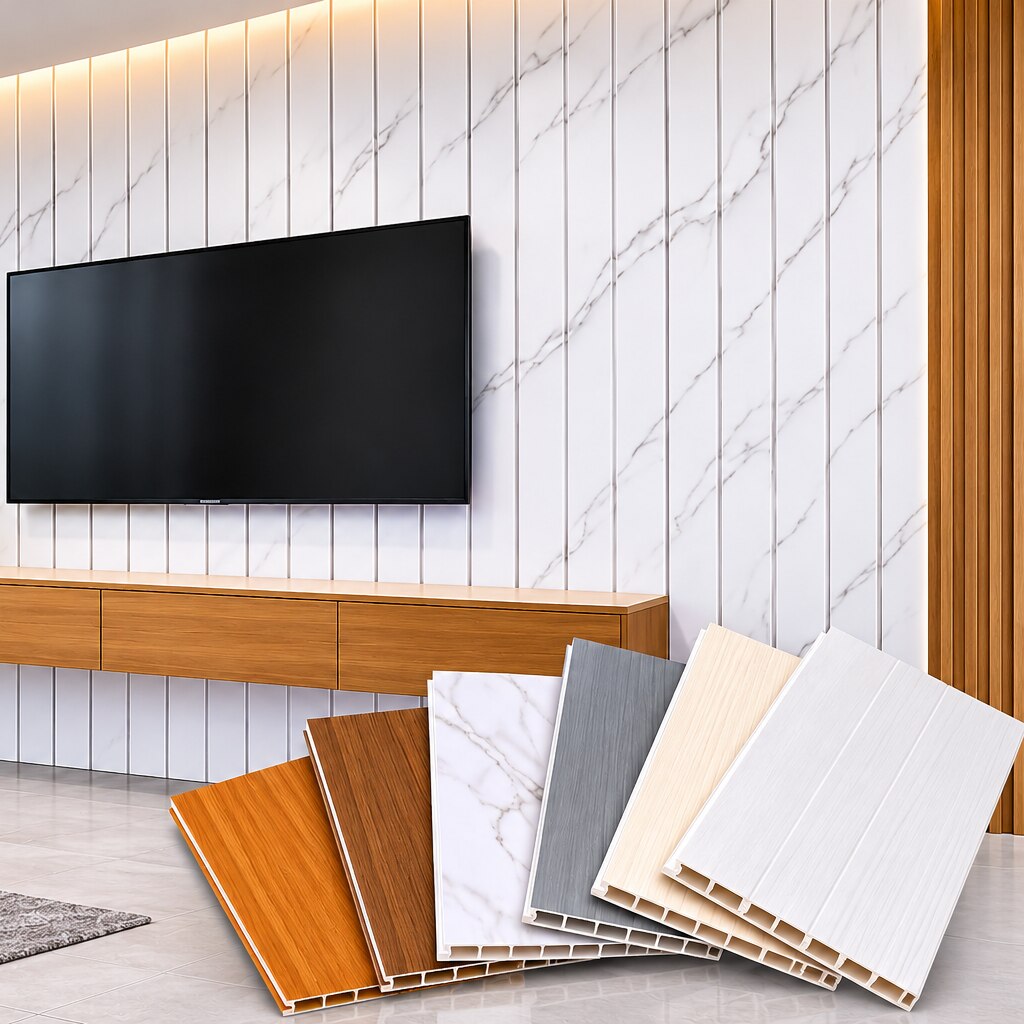
A low-maintenance wall finish must do more than look clean on installation day: it must tolerate the room’s moisture, allow practical cleaning, and remain serviceable around joints, corners and fixtures. You will be able to judge where PVC panels fit, prepare the backing correctly, specify the fixing and trim details, and compare them with other wall-panel materials before work begins.
Key takeaways
- Clean PVC panels with warm water, mild detergent and a soft microfiber cloth.
- Avoid abrasive pads and aggressive solvents that damage panel surfaces.
- Seal joints, corners and service openings to limit moisture entry.
- Choose fixing methods based on wall condition, flatness and room moisture.
What low maintenance looks like after installation
PVC panel cleaning is easiest when you remove dust before it mixes with grease or moisture. Cleaning PVC wall panels needs a soft microfiber cloth, warm water and a mild detergent for PVC panels. Avoid abrasive pads and aggressive solvents: they can scratch the face, cloud the finish or attack printed patterns.
For routine cleaning:
- Vacuum loose dust with a soft brush attachment, especially along fluted channels.
- Wipe the surface with a damp microfiber cloth and diluted detergent.
- Rinse with clean water and dry the panel, joints and lower edges.
Treat stain removal promptly. Wipe fresh grease or soap marks before they harden, then repeat with diluted detergent rather than scrubbing harder. For a dried mark, hold a damp cloth over it for several minutes and lift the softened residue with a plastic scraper; test the method on an unseen area first.
Keep solvent-based cleaners away from the panel.
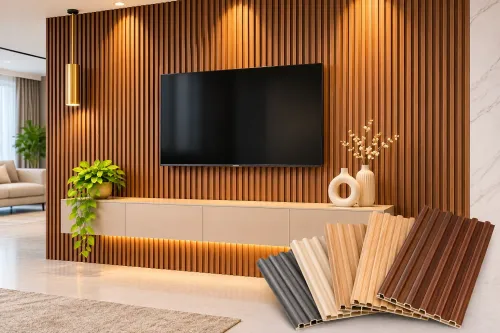
Fluted grooves become a maintenance problem when their depth prevents a cloth from reaching the bottom. Run a soft brush along each channel during dusting, then wipe across the flutes with a damp cloth. Deep or narrow profiles need more frequent cleaning near cooking areas, entrances and dusty workspaces.
Do not flood the grooves, because trapped water can remain behind trims or joints.
Where PVC panels suit wet, hot or moisture-prone rooms
Yes—but only as a sealed finish over a dry, sound wall. PVC panels for bathrooms suit splash zones and walls outside the direct shower spray; they do not replace waterproofing behind tiles or a shower enclosure.
Use these materials in the following settings when the product’s installation instructions allow the exposure:
- PVC kitchen wall panels work behind sinks and worktops, but keep them away from burners, ovens, radiant heaters and steam outlets. Heat can soften, warp or discolor the panel.
- PVC panels for balconies and utility areas suit sheltered spaces with limited rain and sunlight. Confirm the product’s ultraviolet, temperature and exterior-use rating before installation.
- Moisture-resistant wall panels suit laundry or wash areas when ventilation removes condensation and plumbing leaks are repaired first.
The exposed face resists moisture; the wall assembly does not become waterproof. Water entering through open joints, perimeter gaps, damaged panels, pipe penetrations or unsealed trims can remain hidden against masonry, insulation or framing.
Do not cover a damp or cold exterior wall and assume the panel will solve condensation. Its relatively impermeable surface can slow drying toward the room and conceal interstitial moisture, so check the wall’s moisture design before fixing it.
Keep panels away from concentrated heat and use independent framing or engineered backing for cabinets, grab bars and protection rails. They are nonstructural finish layers, not bracing or a fire-resistance-rated partition; ASTM E84 surface-burning results do not establish a wall assembly rating.
How to prepare the wall and choose the fixing method
PVC panel wall preparation begins with a flat dry sound substrate. Uneven plaster, ridges, dust and loose paint can telegraph through the panel or leave voids behind it. Do not cover active dampness: water entering through joints, penetrations or damaged trims can remain trapped against the wall.
Before fixing, check these conditions:
- Remove flaking paint, wallpaper, grease and powdery plaster; clean and dry the surface.
- Fill hollows and scrape high spots so panels sit continuously without rocking.
- Repair leaks and allow masonry or plaster to dry fully before closing the wall.
- Mark pipes, cables and mounting points; PVC panels are not structural backing for cabinets, grab bars or rails.
Adhesive fixing for PVC panels suits a clean, sound, reasonably flat wall where the adhesive manufacturer permits PVC and the room conditions match its instructions. Apply the specified adhesive in the stated pattern; random blobs create unsupported areas that flex, show through or release.
| Fixing method | Support and access | Best use |
|---|---|---|
| Adhesive fixing for PVC panels | Clean appearance, but difficult panel removal and limited tolerance for defects | Dry, flat, sound walls |
| Screws and battens | Creates a new plane, allows mechanical retention and service space | Uneven walls or installations needing later access |
| Direct screws to suitable backing | Secure attachment without a full batten grid | Sound timber or engineered backing in the correct locations |
Use screws and battens when the existing wall cannot provide continuous adhesive contact. Keep the cavity ventilated or sealed according to the system design; never use battens to hide unresolved moisture.
How installers finish joints, corners and service openings
Cut panels with a fine-tooth blade, support them fully, and leave a small movement gap at the perimeter. For reliable PVC panel installation details, keep every joint interlocked or enclosed: use a PVC panel H-channel between straight panels, and PVC panel corner trims at external and internal corners.
An open edge collects dirt and lets water reach the wall.
- Around sockets and switches, isolate the circuit, mark the box from a template, and cut the opening neatly without crushing the panel. Keep the electrical box accessible and flush with the finished face; use a listed box extension when the panel thickness leaves the device recessed. Seal the panel edge with a compatible trim or sealant, not adhesive alone.
- At windows and doors, run panels to a square reveal, then cover the cut edge with reveal trim or a matching frame. Do not bury operating parts, hinges or drainage channels.
- At skirting, finish the bottom edge behind the skirting or with a capped trim. Seal the junction where splash water is expected.
- At the ceiling line, use a perimeter trim with a straight, continuous finish. Leave the manufacturer’s movement gap rather than forcing the last panel tight.
- On an uneven wall, correct the plane with battens or packers before cladding. Bending a panel over hollows telegraphs defects and stresses joints.
Keep panels away from heaters, steam lines, cooking equipment and strong direct sun unless the product’s stated temperature limit permits the exposure.
How PVC compares with WPC and other wall finishes
Choose by the failure you need to prevent: PVC suits wet, low-cleaning surfaces; gypsum board suits a rigid, paintable fire-rated assembly; tile suits hard abuse and frequent water exposure.
| Material | Water, rigidity and impact | Fire, appearance, repair and maintenance |
|---|---|---|
| PVC | Water-resistant face, low weight and easy cleaning; nonstructural and less rigid than board or tile. Choose impact-resistant wall panels for corridors, but protect against sharp blows and heat. | Wood-look and fluted finishes; replace a damaged panel rather than patch it. Seal joints and penetrations because PVC does not waterproof the wall. |
| WPC | Stiffer and more wood-like under impact, but moisture performance depends on the core, laminate and edge sealing. | Check the tested fire classification; bonded layers complicate repair and recycling. Grooves and textured surfaces take more cleaning effort. |
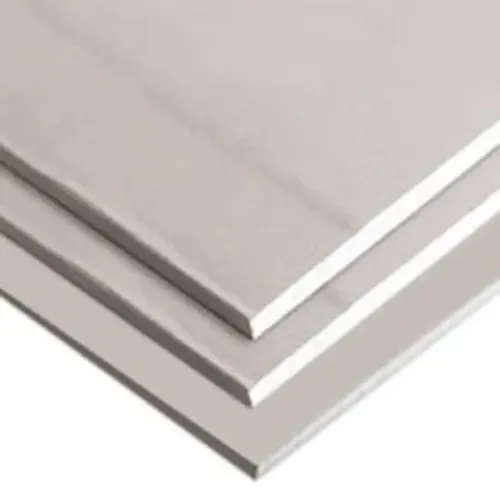
| Gypsum board | Rigid, easy to paint and repair, but ordinary board is vulnerable to water and impact. | For PVC versus gypsum board, use gypsum where the partition needs a tested fire-resistance rating, not merely a decorative finish. |
| Ceramic tile | Hardest surface for water and abrasion, though grout needs cleaning and cracked tiles require replacement. | Limited pattern repair and slower installation; choose it for direct splash or heavy contact. |
A fire-rated PVC panel specification must state the exact classification, thickness, substrate, mounting method and joint treatment. ASTM E84 reports surface flame spread and smoke development; it does not rate the wall assembly. Keep heaters, steam lines and direct solar heat within the manufacturer’s temperature limit.
Ask Keshar Gypsum Pvt Ltd - 08048034025 for thickness, backing and test documents before comparing samples by appearance alone.
Related products
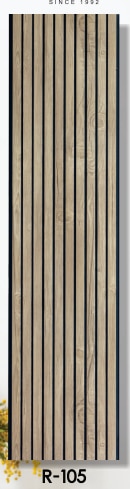 | Pvc / Wpvc Fluted Panels ₹740 R-105 – Natural Oak Fluted Panel R-105 features a light natural oak wood finish with subtle grain patterns and contrasting dark vertical grooves. View product → |
 | Pvc / Wpvc Fluted Panels ₹460 12150 – R-106 A light natural wood finish with a soft beige and cream base, enhanced by fine vertical wood-grain lines and subtle tonal variations. View product → |
Frequently asked questions
How do you clean PVC wall panels after installation?
Remove loose dust first, then wipe the panels with warm water, mild detergent and a soft microfiber cloth. Avoid abrasive pads and aggressive solvents.
Where are PVC panels suitable for interior walls?
PVC panels suit wet, hot or moisture-prone rooms when the wall, fixing method and joint treatment are prepared correctly.
How should a wall be prepared before fixing PVC panels?
Check that the wall is clean, dry, sound and sufficiently flat. Choose adhesive, screws or another fixing method according to the substrate and room conditions.
How are PVC panel joints, corners and service openings finished?
Use suitable trims or sealants at joints and corners, and finish service openings so gaps do not allow moisture behind the panels.
How does PVC compare with WPC wall panels?
Compare PVC and WPC by moisture exposure, heat, appearance, rigidity, installation effort, cleaning needs and the condition of the existing wall.
Related products
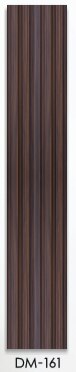 | Pvc / Wpvc Fluted Panels ₹460 12150 – DM-161 A rich dark brown wood-grain finish with fine, closely spaced vertical lines in varying shades of brown. View product → |
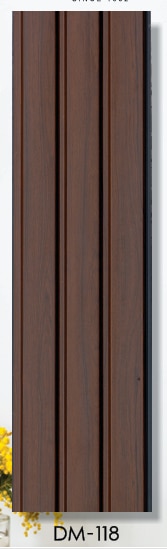 | Pvc / Wpvc Fluted Panels ₹1030 17303 DM-118 | Dark Walnut Wood Fluted Panel DM-118 features a deep brown walnut wood finish with fine natural grain patterns and clean, evenly... View product → |
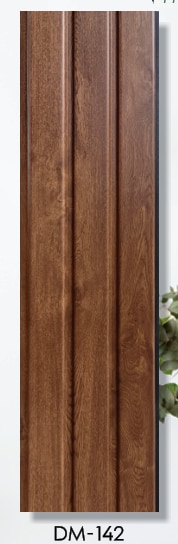 | Pvc / Wpvc Fluted Panels ₹1030 17303 DM-142 | Natural Walnut Wood Fluted Panel DM-142 features a warm medium-brown walnut wood finish with prominent natural grain patterns and rich... View product → |
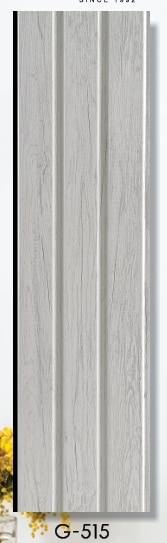 | Pvc / Wpvc Fluted Panels ₹1030 17303 G-515 | White Oak Fluted Panel G-515 features a light whitewashed wood finish with subtle natural grain patterns and elegant vertical fluted... View product → |